
Many patients walk into my clinic with the same two questions.
“Will the surgery hurt?”
“And what exactly do you do inside the eye?”
I give them the same honest explanation I provide my own family. If you are considering cataract treatment and want a clear understanding of the process, this will help you feel better prepared.
What a Cataract Really Is
A cataract is simply the natural lens turning cloudy. People describe it differently. Some feel like they are looking through a fogged-up window. Others say colours look dull or that night driving becomes stressful due to glare.
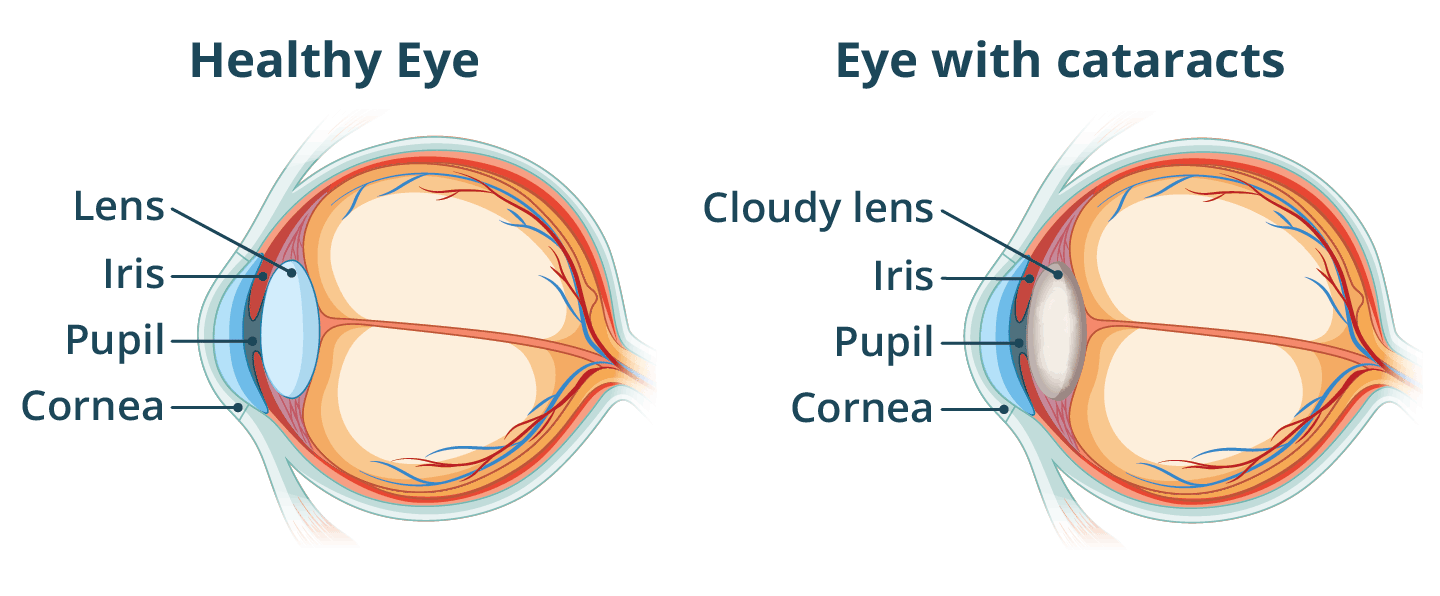
There is one point I make very clear. No drop or medicine can reverse a cataract. The only reliable treatment is replacing the cloudy lens with a clear artificial one. That is all cataract surgery means in practical terms.
How I Decide Whether It Is Time for Surgery
When someone visits me asking if they need surgery, I never rush the decision. I examine:
- How clearly you see
- How dense the cataract is
- The shape and curvature of your cornea
- The health of the retina
- Your lifestyle needs, because a driver, teacher, and IT professional do not need the same visual range
This evaluation matters as much as the surgery itself. The more precisely I understand your eye, the more accurate the lens planning becomes.
The Lens Discussion
Most patients think there is one “best lens.” That is a misconception. There is only the best lens for your eyes and your daily routine.
This is how I explain the main options:
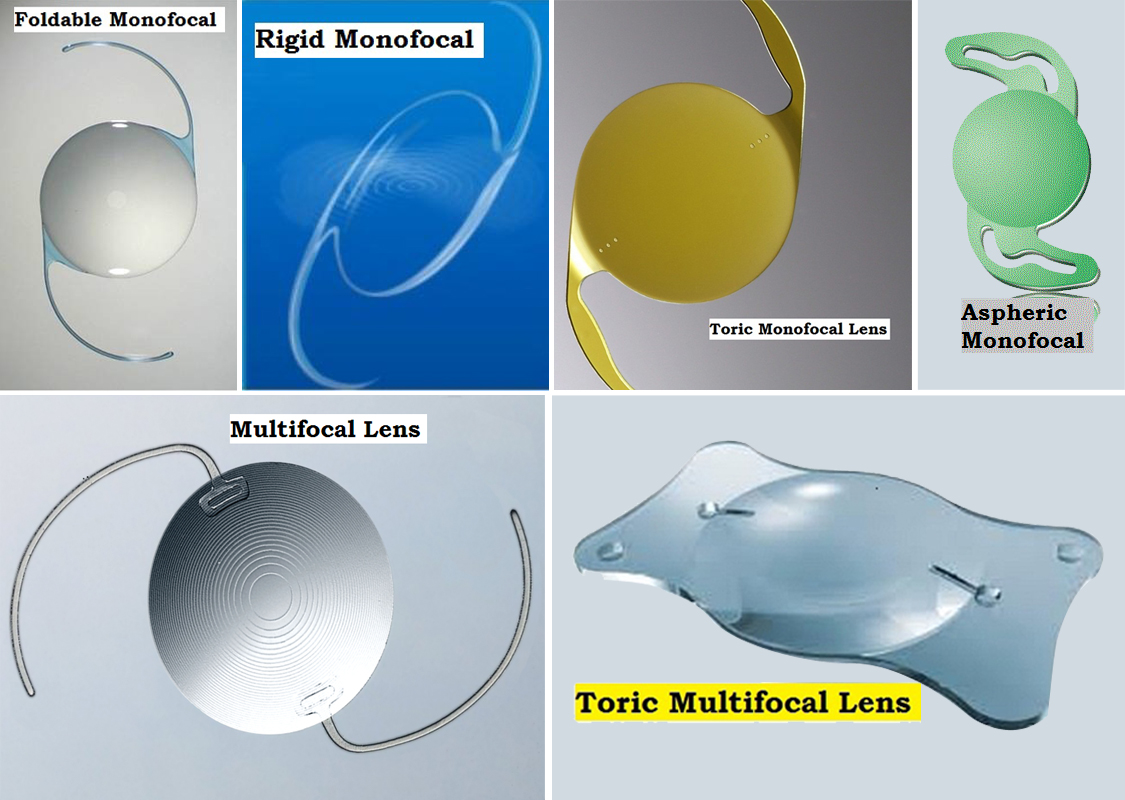
Monofocal lenses
Sharp distance vision. You may still need glasses for reading.
Toric lenses
Useful when you have astigmatism.
What Astigmatism Means
Astigmatism is when the cornea is not perfectly round. The light entering the eye does not focus evenly, leading to blurred or distorted vision, difficulty with fine details, and eye strain. It is common and not dangerous. Glasses, contact lenses, toric IOLs, or laser procedures can correct it based on your case.
Multifocal or trifocal lenses
Good if you want to reduce dependence on glasses for near work, computer screens, and distance vision.
Patients often ask:
“What would you choose if it were your own eye?”
My answer depends on your work, night driving, and how much time you spend on digital screens.
What Actually Happens During Cataract Surgery
People fear pain, so let’s start there. You will not feel pain. The eye is numbed with drops. You will only feel me working, as if a dentist were working when the mouth is numb.
Here is what happens inside the operating theatre:
1. Cleaning and Numbing the Eye
Only drops for most patients. Injections are rarely needed.
2. A Small, Self-Sealing Incision
The cut is so tiny that it seals on its own. No stitches.
3. Softening the Cataract
I use one of two methods, depending on your eye:
Ultrasound (Phacoemulsification)
This is the standard technique. I use a small probe that vibrates at high frequency to break the cataract into tiny pieces. These pieces are gently suctioned out. It is quick and works well for most cataracts.
Femtosecond Laser–Assisted Cataract Surgery (FLACS)
Here, a computer-guided laser performs the early steps with high accuracy. The laser makes the incision, opens the capsule, and pre-softens the cataract. This provides greater precision, especially for premium lenses such as multifocal or toric IOLs.
4. Removing the Cloudy Lens
This part usually takes a few minutes.
5. Placing the New Lens
The artificial lens unfolds inside your eye and sits exactly where your natural lens used to be.
The whole procedure generally takes under 10 to 12 minutes. Most patients are surprised at how simple it feels.
What Recovery Looks Like
I tell patients to expect three phases:
Day 1: Vision becomes clearer but may feel slightly soft. Light sensitivity is common.
Day 2–5: Sharpness improves, and most people resume regular activities.
Week 2 onwards: Vision stabilises.
Week 4: If needed, I finalise your glasses prescription.
You only need to follow a few precautions. Do not rub your eye, avoid splashing water directly into your eye, skip heavy lifting, and use your drops as advised.
Common Worries Patients Share
“What if I blink?”
You cannot. A small device keeps the eye gently open.
“What if I move during surgery?”
Small movements are not an issue. The microscope guides me throughout.
“Do cataracts come back?”
No. But the membrane behind the lens can later become cloudy. I clear it with a quick laser in the clinic. No pain, no downtime.
When I Usually Recommend Surgery
I suggest surgery when:
- Night driving feels risky
- Reading or screen work becomes tiring.
- Glasses changes are not helping.
- The cataract blocks the retina, especially in those with diabetes
Choosing the right team also matters. A well-equipped eye hospital in Andheri, with advanced imaging, proper lens counselling, and an experienced surgeon, can make the entire process smoother and more predictable.
Final Word
Cataract surgery today is far simpler than most people imagine. It is precise, quick, and one of the most dependable procedures we perform. If your vision is affecting your daily life, do not delay. A short procedure can restore clarity and comfort to your day-to-day activities.